
Apr 11, 2026
World Parkinson’s Disease Day 2026
For World Parkinson’s Disease Day on April 11, Charité released a feature on Ilias Triantafyllakis, a patient at Charité Universitätsklinikum Berlin who is undergoing treatment for Parkinson’s disease.
When most people think about Parkinson’s disease, they picture it as something that affects older adults. But for Ilias Triantafyllakis, it was different when he was diagnosed at 25 years old. The first signs appeared in 2015. His movements became slower, his body felt stiff, and everyday tasks started to change in ways that were hard to ignore. Over time, the disease progressed quickly. Medications brought little relief, and some caused serious side effects, including compulsive behavior. As the years went on, balancing work, family life, and his health became more and more difficult.
Ten years after his diagnosis, Triantafyllakis made the decision to undergo deep brain stimulation surgery at Charité – Universitätsmedizin Berlin. The procedure involved implanting tiny electrodes deep inside his brain, in the subthalamic nucleus, which plays an important role in movement control. Thin wires connect those electrodes to a small stimulator implanted near his collarbone. The device sends electrical impulses that help regulate the abnormal brain activity linked to Parkinson’s symptoms.
For Triantafyllakis, the surgery was a turning point. After the procedure, movement became smoother. His thinking felt clearer. For the first time in a long time, he could sleep through the night. As a father of two young children, that alone was life-changing. The improvements reached far beyond sleep. Daily life became easier again. Things many people take for granted, like playing with his children or reading several books to them in one sitting, felt possible again. He was able to exercise, move more freely, and reduce his medication to only a small fraction of what he once needed.
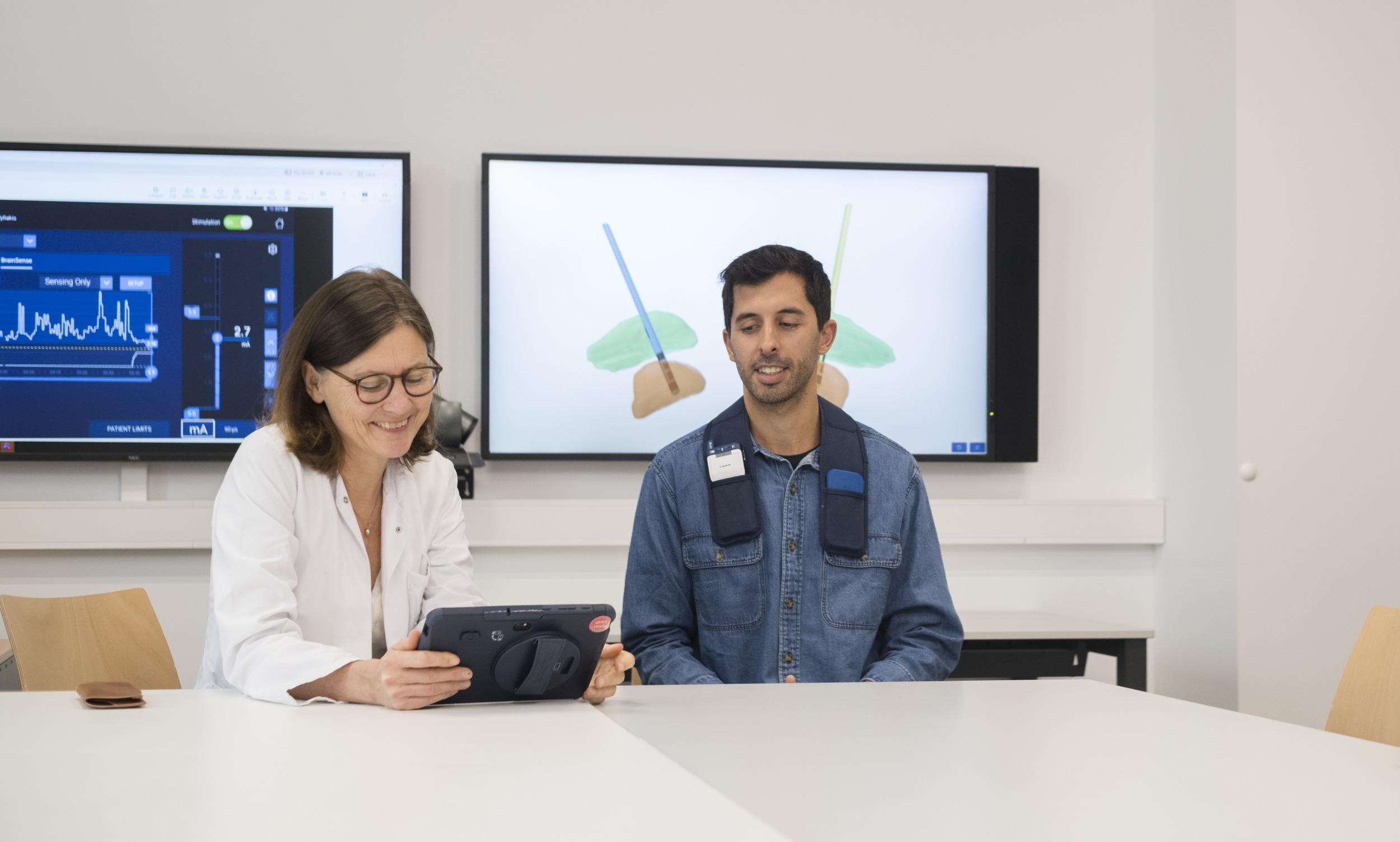
Now, his treatment is entering a new phase. His device is being upgraded to an adaptive form of deep brain stimulation, a newer approach that does not deliver the same level of stimulation all the time. Instead, it responds to the patient’s condition in real time. When symptoms increase, the system can raise the stimulation. When symptoms ease, it can reduce it. This “closed-loop” approach is designed to make treatment more precise and more responsive to the realities of daily life.
To prepare the device, Charité’s team temporarily pauses both medication and stimulation during testing so they can observe untreated symptoms and calibrate how the system should respond. The goal is a therapy that adjusts continuously based on the brain’s own signals.
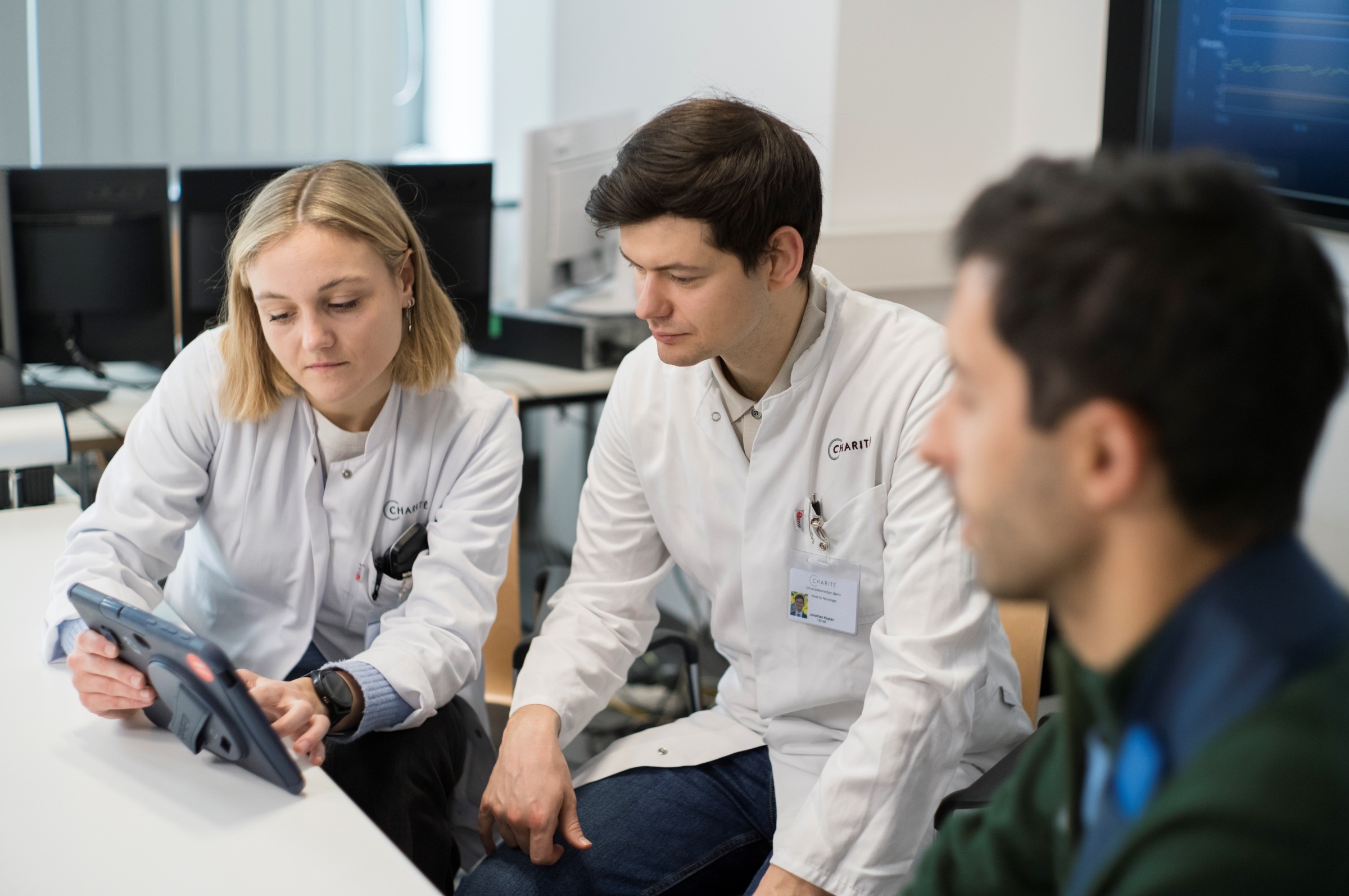
According to neurologist Andrea Kühn, deep brain stimulation can often reduce Parkinson’s symptoms by around 50 percent while also lowering the need for medication. Her team is now focused on improving that technology even further. Early results from adaptive systems suggest they could offer even greater benefits for quality of life.
That is especially important for people like Triantafyllakis, who developed Parkinson’s at a much younger age than many patients. His story is a reminder that the disease does not always follow expectations, and that treatment needs can vary widely from one person to another.
Adaptive deep brain stimulation is still relatively new and currently available only at specialized centers. Larger clinical trials are underway to find out whether it can consistently outperform conventional continuous stimulation. But for patients already benefiting from the technology, the promise is clear.
Back at home, Triantafyllakis is spending time with his family and enjoying the parts of life that once felt out of reach. His wife sees the difference too. For their family, the treatment has not just eased symptoms. It has brought back a sense of normal life.
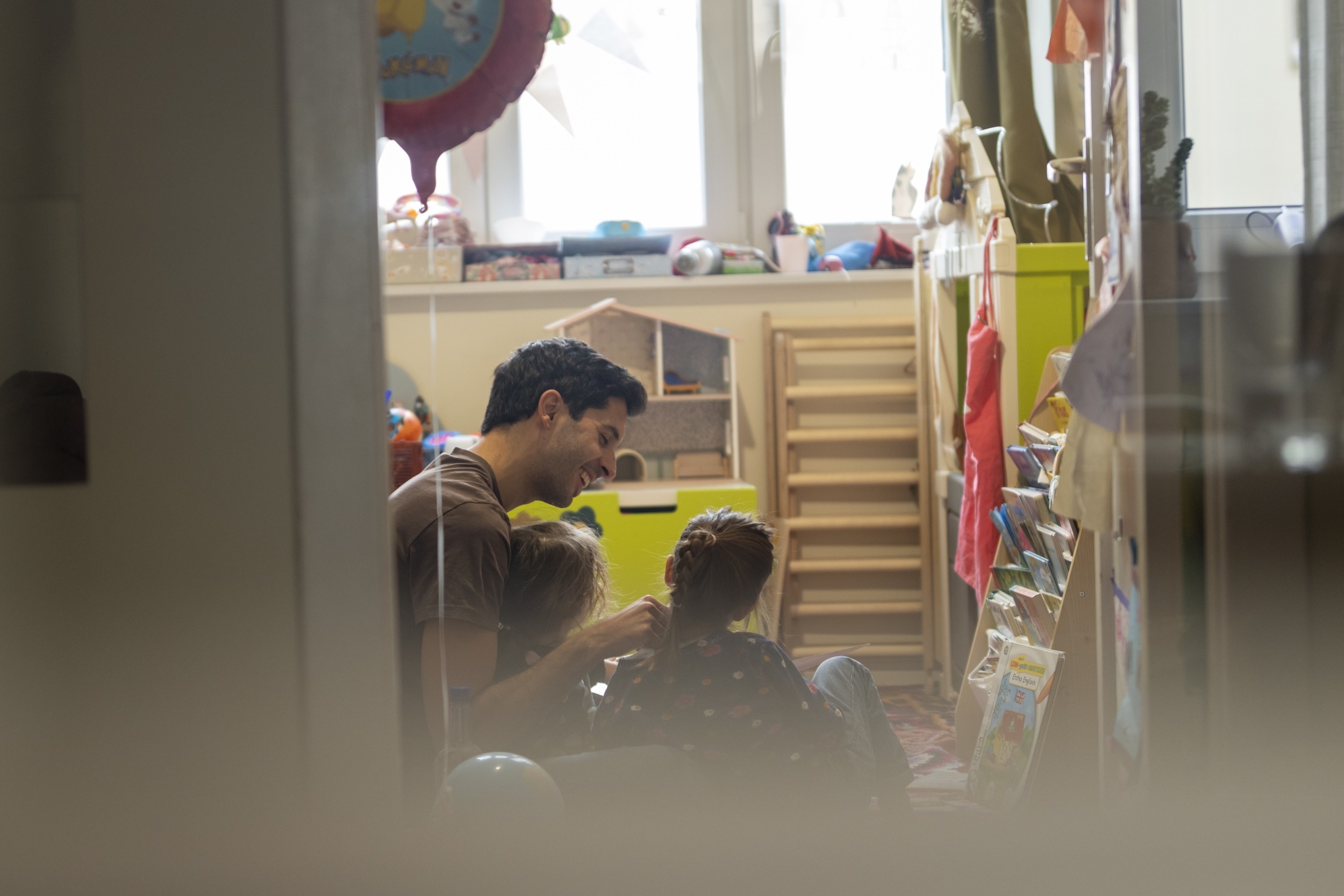
And while the system is still being fine-tuned, one thing already stands out: innovations like these are helping people with Parkinson’s live with more freedom, more energy, and fewer limitations.
In the short film, Ilias Triantafyllakis talks about his illness and about living with deep brain stimulation:

Read the Charité press release here.
To get further information about another patient that underwent DBS surgery, read the article and watch the videos from Brisant and DAS! Rote Sofa.
© Pictures: Götz Schleser