
Jun 4, 2026
Invasive neurophysiology and whole brain connectomics for neural decoding in patients with brain implants
Merk T, Köhler RM, Brotons TM, Vossberg SR, Peterson V, Lyra LF, Vanhoecke J, Chikermane M, Binns TS, Li N, Walton A, Neudorfer C, Bush A, Sisterson N, Busch J, Lofredi R, Habets J, Huebl J, Zhu G, Yin Z, Zhao B, Merkl A, Bajbouj M, Krause P, Faust K, Schneider GH, Horn A, Zhang J, Kühn AA, Mark Richardson R, Neumann WJ.
Nat Biomed Eng. 2026 May; 10(5): 852-869. doi: 10.1038/s41551-025-01467-9. Epub 2025 Sep 24. PMID: 40993190; PMCID: PMC13190260.
Download summary: ReTune PoM 2026-05
To tailor neurotherapies to the needs of individual patients, brain-computer interface (BCI) research aims to improve the precision of therapeutic stimulation. Recordings from the brain and body with millisecond resolution could enable automated closed-loop stimulation for a range of neurological and psychiatric disorders. However, translating this concept into clinical practice remains challenging. We developed py_neuromodulation as a platform for implementing machine-learning-based brain signal decoding algorithms. In our recent work, we used the platform to explore real-time-compatible therapeutic BCI methods based on intracranial brain signals across different cohorts and clinical conditions. A central aim was to leverage the human connectome as an important source of information that has so far remained largely unused in BCI and brain signal decoding. By linking intracranial signals to functional and structural brain connectivity, we use connectome-informed decoding for brain circuit discovery and for improving generalization across patients. First, we developed generalized movement decoders that can identify rest and upper-limb movement from ECoG signals across independent Parkinson’s disease and epilepsy cohorts. These decoders are directly relevant for adaptive deep brain stimulation, where stimulation could be adjusted according to the patient’s current motor state. Importantly, we demonstrated prospective performance in a newly recruited patient, showing that movement-responsive stimulation can work out of the box without patient-specific model training. This highlights a concrete translational opportunity for implementing scalable, real-time decoding algorithms in future adaptive DBS systems. Second, we extended this approach to neuropsychiatric applications. In patients with depression, decoding performance correlated with clinical improvement after chronic stimulation, suggesting potential relevance for personalized psychiatric neuromodulation. Third, we applied py_neuromodulation to responsive neurostimulation in epilepsy. By systematically optimizing features in a simulation of the seizure detection algorithm, we substantially improved detector performance and reduced false-positive classifications. Together, these findings show that py_neuromodulation can support both the optimization of existing embedded brain-implant algorithms and the discovery of improved feature sets and machine-learning methods for closed-loop neuromodulation. The platform therefore provides a practical framework for advancing therapeutic BCI approaches across epilepsy, movement disorders, psychiatric disorders, and other brain conditions.
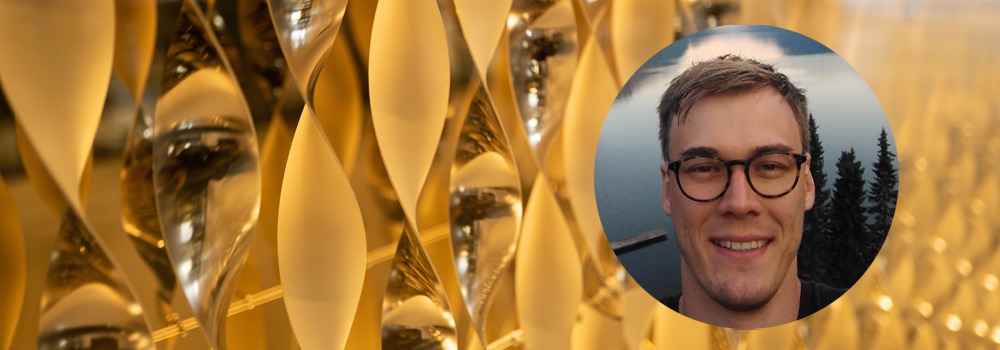
Dr. Timon Merk
Timon Merk is a former PhD student at the Interventional and Cognitive Neuromodulation Lab of Prof. Neumann at the Charité Movement Disorders and Neuromodulation Unit. His main research interest is the neural characterization of pathological and behavioural states to develop novel closed-loop neuromodulation systems.
Prof. Wolf-Julian Neumann
Wolf-Julian Neumann is an associate researcher at Charité in Berlin and has recently assumed the position of Head of AI Innovation and Therapeutic Neurotechnology at the Wyss Center for Bio- and Neuroengineering in Geneva, Switzerland. His work aims to integrate insights from PD pathophysiology, basal ganglia function, dopamine and reinforcement learning into a holistic cortex – basal ganglia – circuit model and neurotechnological treatments.
PoMs 2026:
ReTune PoM 2026 Apr
ReTune PoM 2026 Mar
ReTune PoM 2026 Feb
ReTune PoM 2026 Jan