

Oct 23-25, 2023 | Bad Belzig
Organizers: Elisa Garulli, Juliette Vivien, Öykü Okur, Richard Köhler
What is the ReTune Hackathon?
The annual ReTune Hackathon is an intensive and collaborative event to address a spectrum of scientific coding problems.
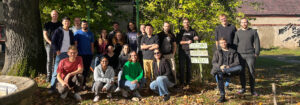
During the ReTune Hackathon, the participants chose a team and worked on a specific project for 3 days. The projects were selected to address software problems shared across multiple domains within the SFB. This collaborative synergy fostered effective troubleshooting and set the stage for further collaborative initiatives.
What happened?
Bootcamp:
We were delighted to welcome open-source software developer and programming instructor Nicholas Del Grosso for an intensive coding boot camp. Over the course of nearly three days, participants took part in a hands-on program covering the fundamentals of programming, version control and collaborative coding. The bootcamp was designed to equip attendees with the confidence and practical skills needed to tackle data-analysis projects once back in the lab.
Keynote Lecture:
The hackathon kicked off with an inspiring keynote lecture by Stefan Apffelhoff, who shared his personal journey into the open-source world. He reflected on the challenges and opportunities within the community and offered insightful recommendations for PhD students and postdocs navigating their own academic and technical paths.
Pint of Processing:
Later, participants joined the Pint of Processing session – a hands-on opportunity to tackle data-specific processing and pre-processing challenges. Attendees brought their own datasets and Nicholas Del Grosso and his team were available in an informal setting to help troubleshoot programming issues and guide participants through project-related obstacles. The session created a collaborative environment where people could finally get unstuck and make real progress on their code.
What collaborations or projects came from it?
Apart from the technical results, the event sparked new collaborations and strengthened existing ones. Many participants continued refining their tools and sharing their expertise after the Hackathon, demonstrating how three focused days can jump-start long-term scientific connections.